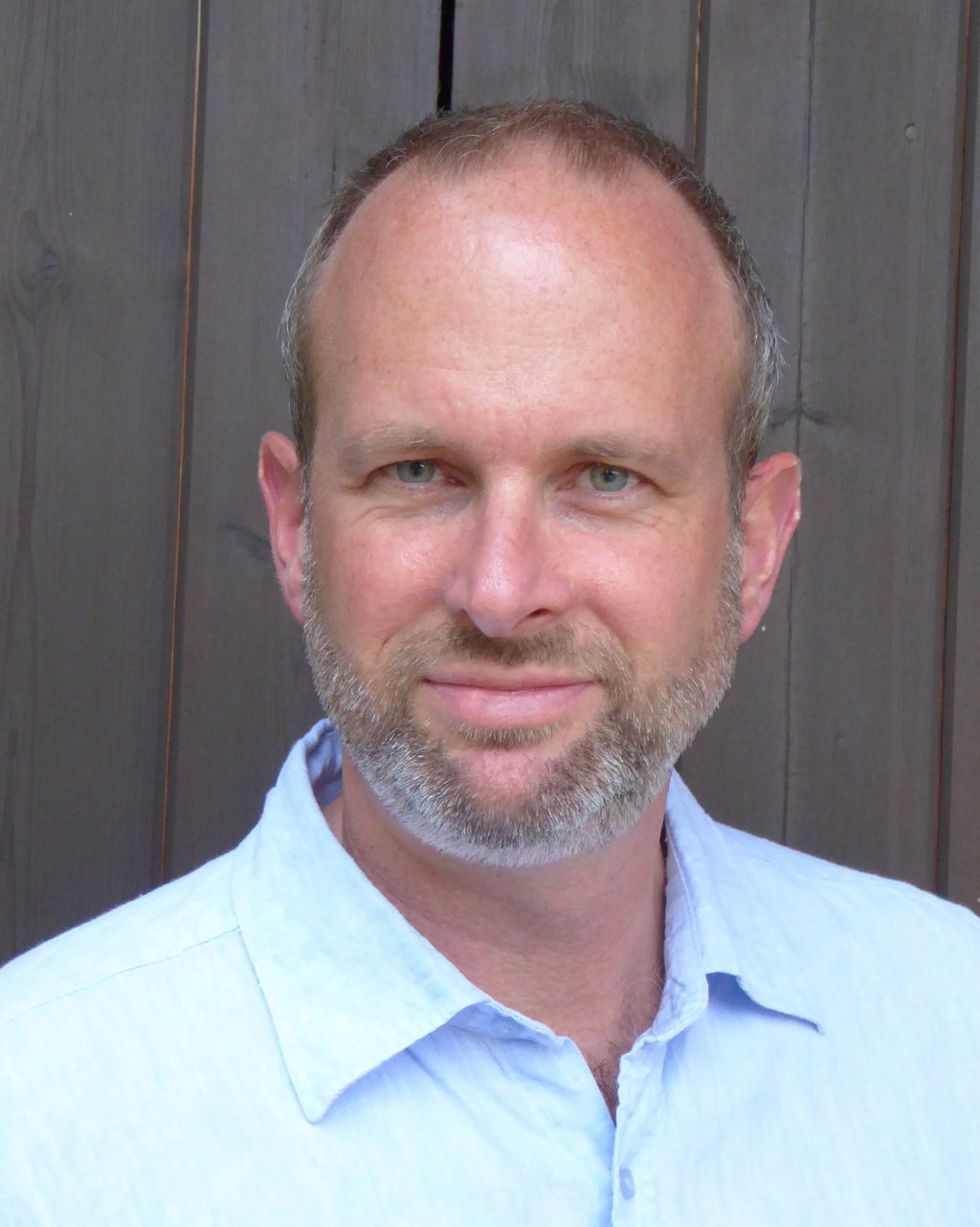
James Russell
I’ve spent over twenty five years working inside organisations that were changing, often under pressure, often with more at stake than people were able to say out loud.
I’ve led transformation from senior operational and executive roles, launched and scaled businesses and worked alongside leadership teams introducing new technology, new operating models and new ways of working. Much of that work has taken place in regulated, high‑risk environments, where decisions carry real financial, operational and reputational consequence.
Across all of that experience, one pattern has shown up again and again.
Change rarely fails because people aren’t capable.
It struggles when responsibility, uncertainty and pressure concentrate in too few places and stay unspoken.
That observation now shapes how I work.
How my experience shapes my work
I’ve worked on change from both sides of the table.
Inside organisations, I’ve held senior leadership roles with real accountability for outcomes, people, £100m+ budgets and regulatory risk. I’ve led large transformation programmes, navigated start-up pressure turned a loss-making business to profit and made decisions with imperfect information - often under scrutiny and delivery pressure.
Alongside organisations, I’ve supported leaders who were carrying more than was visible: introducing new systems, responding to regulatory and market pressure, or trying to shift long‑standing ways of working without losing trust or momentum.
Those experiences taught me something simple but important:
Change isn’t just a delivery challenge, it’s a human one.
What matters most isn’t the plan on paper, but how responsibility, authority and uncertainty are handled and whether people feel able to speak honestly about what’s happening.
The kind of work I’m drawn to
I tend to work with leaders and teams when turnaround is needed or when things are not broken, but they’re no longer straightforward.
That includes moments of pressure, scrutiny and delivery risk, not just reflection or development.
This might involve:
transformation programmes that are technically sound but emotionally strained
leadership teams under pressure to deliver while managing anxiety or resistance
organisations introducing AI or new technology where the human impact is unclear
individuals navigating transitions after long periods of responsibility or into new leadership positions
In all of these situations, the challenge isn’t a lack of intelligence or effort. It’s the weight of what’s being carried and the lack of space to think clearly together about it.
My role as a coach and adviser
I don’t see my role as fixing people or organisations.
I work with leaders to create the conditions where issues can be addressed clearly, decisively and without unnecessary friction.
That might involve:
surfacing what’s unspoken
ensuring key conversations happen at the right moment
helping leaders think clearly under pressure
setting up communication and decision making frameworks that are humane and effective
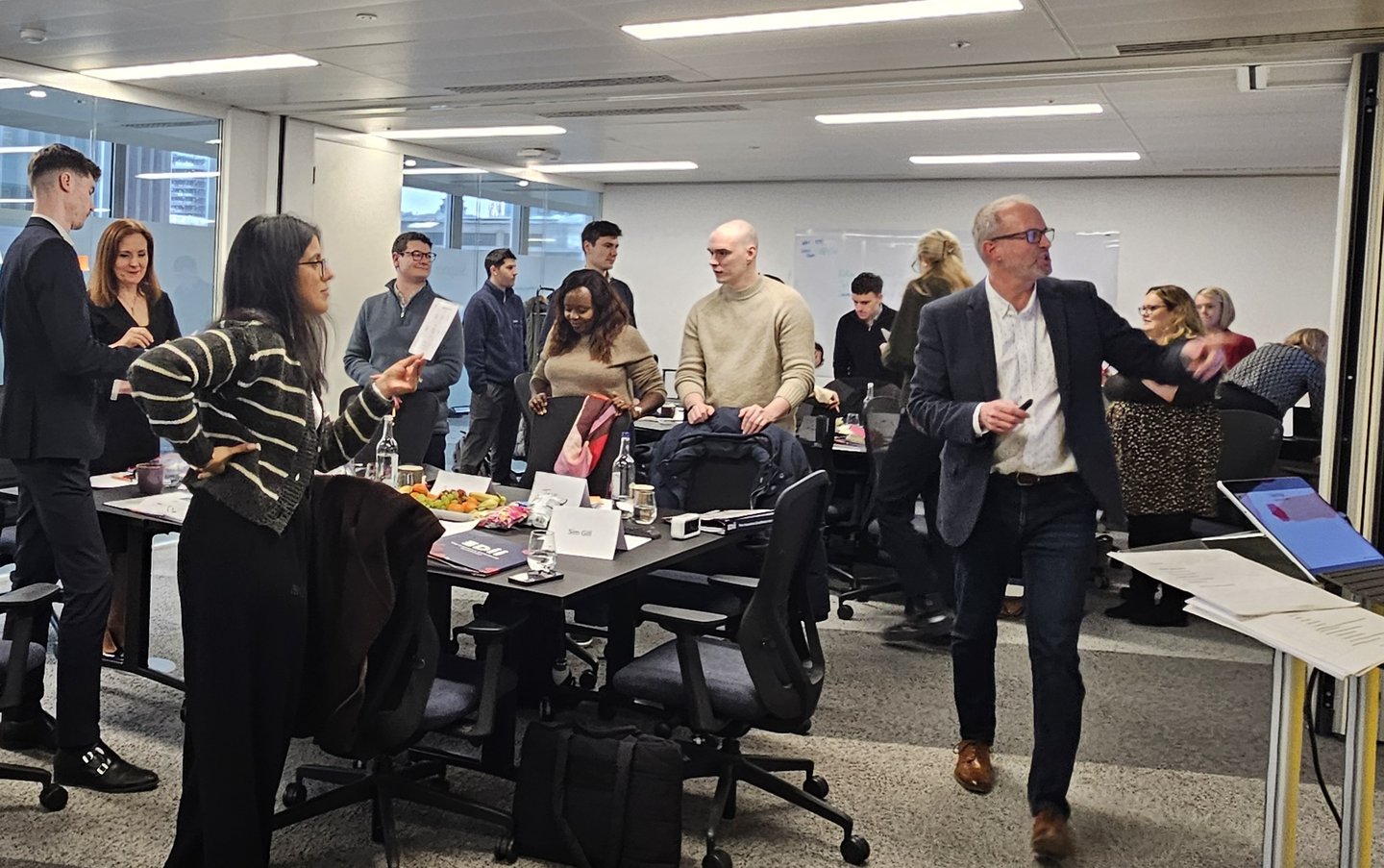
Sometimes this looks like facilitation or coaching.
Sometimes it’s simply being a steady, external presence who can help make sense of complexity and move things forward.
Always, it’s about working Adult‑to‑Adult. Leader-to-Leader.
Credentials
I bring together:
over 25 years of hands‑on leadership and transformation experience
professional coaching qualifications (ICF)
training in Transactional Analysis and organisational dynamics
These inform how I think but they don’t lead the work.
What matters more is judgement, presence, and the ability to stay clear‑headed when the stakes are high.
Beyond organisations
Not all of my work is organisational.
Through Next Chapter, I also work with individuals navigating significant transitions, often after senior roles, exits, or long periods of sustained responsibility.
The same themes appear:
identity
responsibility
meaning
what’s being carried, and what needs to change
The context is different, but the human dynamics are remarkably similar.
If this resonates
If the way I describe change and leadership feels familiar, or gives language to something you’ve been experiencing, we can start with a conversation.
No pitch. No expectation.
Just space to think things through.
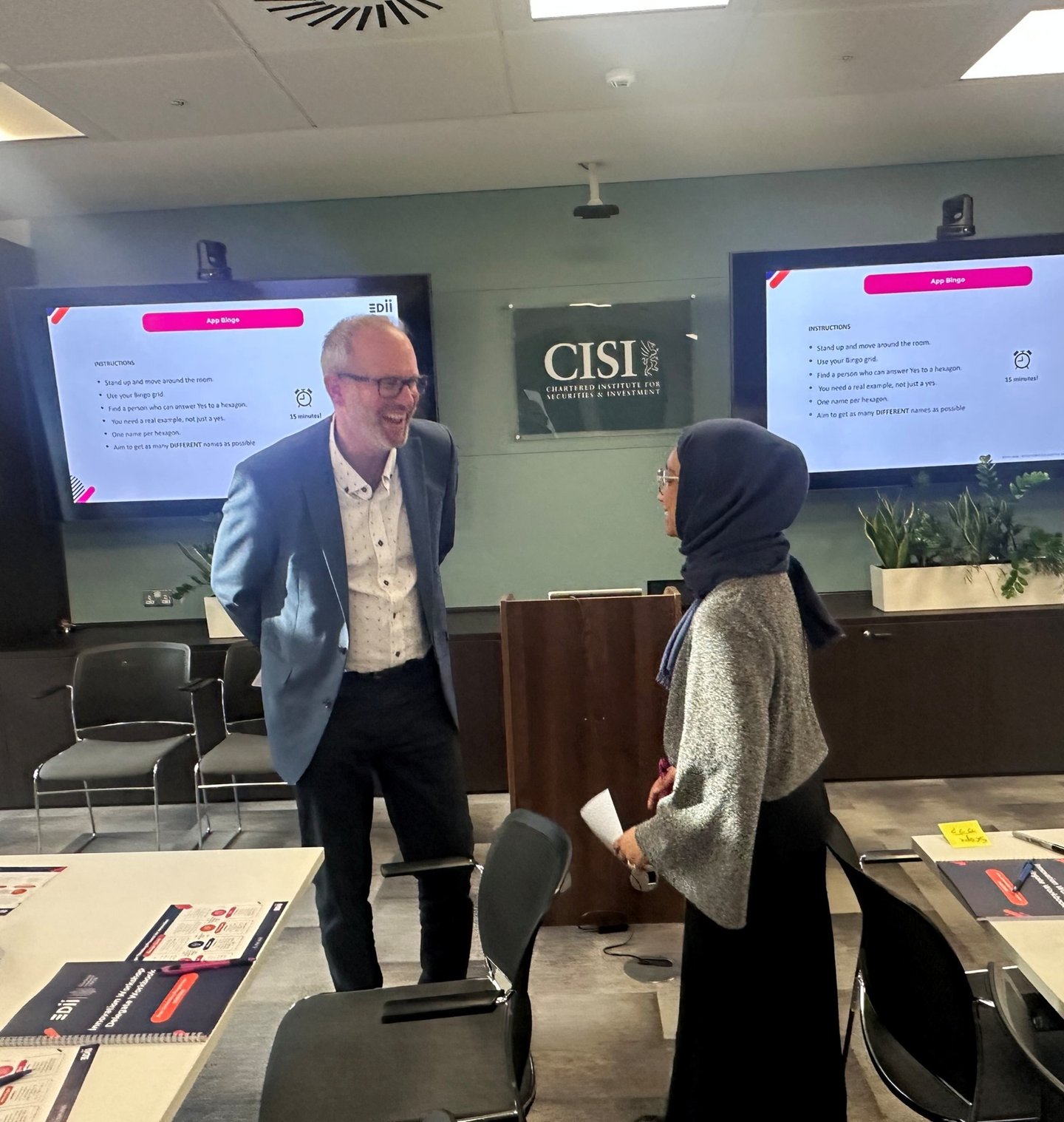
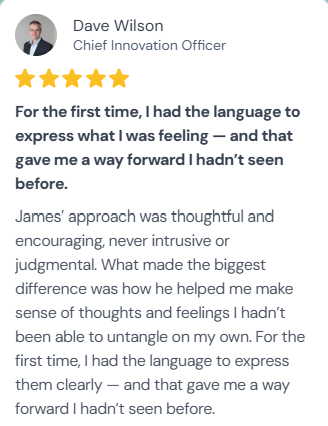


I work closely with people and organisations like these