Helping leaders and organisations navigate change.
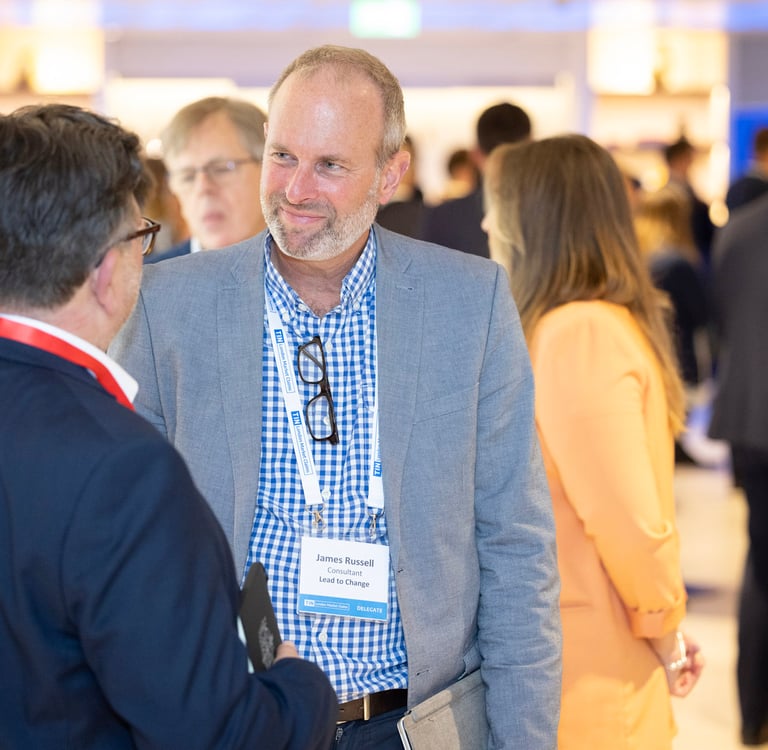
Change is a constant, but that doesn’t mean it’s easy.
I work with leaders and organisations navigating periods of transition: cultural, strategic, technological, or personal where performance still matters, but the human cost is starting to show.
Change isn’t hard because leaders aren’t capable.
It’s hard because too much decision‑making, uncertainty and consequence sits with too few people.
Most leaders I work with are thoughtful, committed and highly competent.
Yet they’re operating in environments where decisions are made faster, with less complete information; where accountability feels personal even when they don't feel fully in control of the outcomes; and where the unspoken expectation is to absorb more pressure so others can keep moving.
From the outside, things look fine.
Inside, leadership can start to feel increasingly heavy.
Not because people are doing a poor job but because the conditions mean responsibility, risk and ambiguity are rarely shared or spoken about.
When that personal and organisational load stays unexamined, change slows down.
Not through resistance or lack of effort but through fatigue, caution, and survival.
What happens when responsibility isn't shared
As organisations grow, transform or adopt new technology, responsibility tends to move upwards.
Leaders become the place where uncertainty lands.
They hold competing priorities, unresolved tensions and difficult trade‑offs - often on behalf of the wider system.
Over time:
conversations narrow
challenge reduces
people wait rather than engage
and leadership becomes heavier than it needs to be
This isn’t a leadership failure.
It’s a structural pattern and once it’s visible, it can be worked with.
60–70%
of organisational change initiatives fail to meet their objectives, largely due to leadership, communication, and human factors rather than strategy or technology.
(McKinsey, Gallup, CEB HR Change Readiness Survey)
Why this matters now
This dynamic isn’t new, but it is intensifying.
Technology, regulation, market pressure and AI are accelerating the pace of change, while reducing the time available to think, reflect or reset. Roles are less stable. Expertise dates faster. Certainty is harder to come by.
As a result, change is no longer just operational or procedural.
It’s psychological.
People aren’t only asking:
What are we changing?
How will this work?
They’re also asking (often not out loud):
What does this mean for me?
Am I still valued?
What’s expected now?
When those questions aren’t surfaced or addressed, leaders end up carrying them on behalf of the organisation - absorbing tension and ambiguity so others can keep moving.
That may look like leadership.
But it isn’t sustainable.
How I help
Lead To Change works with leaders and leadership teams to create the conditions where change can actually take hold.
I don’t arrive with a fixed model or a set of answers.
Instead, I help leaders:
have the right conversations
make sense of what’s really happening beneath surface-level performance
address the human dynamics that sit underneath change
distribute responsibility in ways that are healthier and more effective
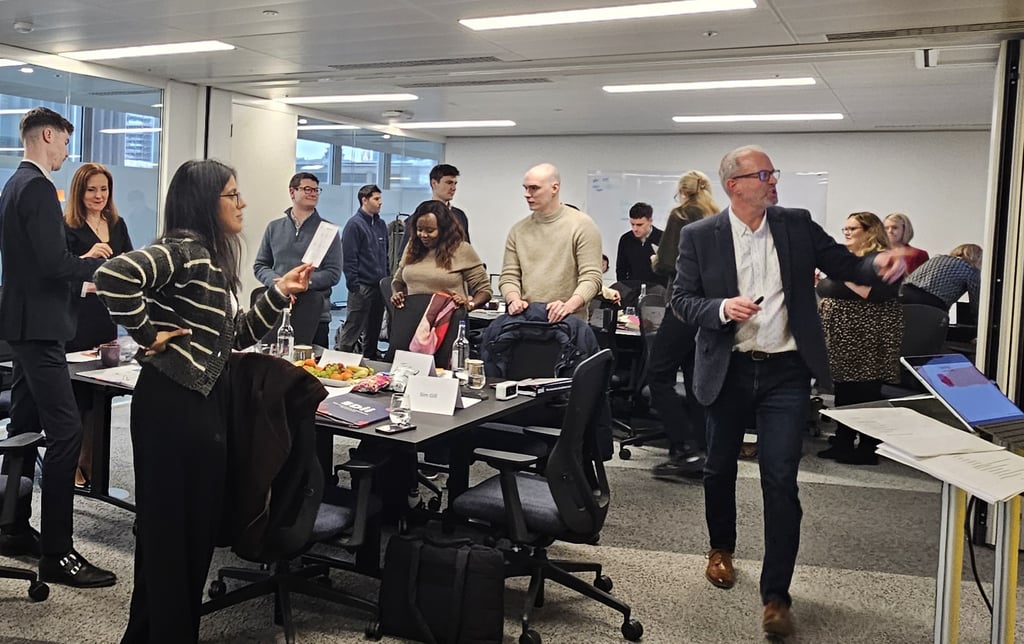
The work is practical, grounded and Adult‑to‑Adult. I help people think clearly under pressure and lead change in ways that others can engage with and sustain.
Where this usually shows up
Leaders often come to me when they’re thinking things like:
“We’ve invested heavily, but behaviour hasn’t shifted.”
“The logic is sound, but engagement is patchy.”
“Leadership feels stretched and frustrated.”
“People are anxious, but no one’s really saying it.”
“What used to work no longer does.”
If any of that sounds familiar, you’re not alone.
About Lead To Change
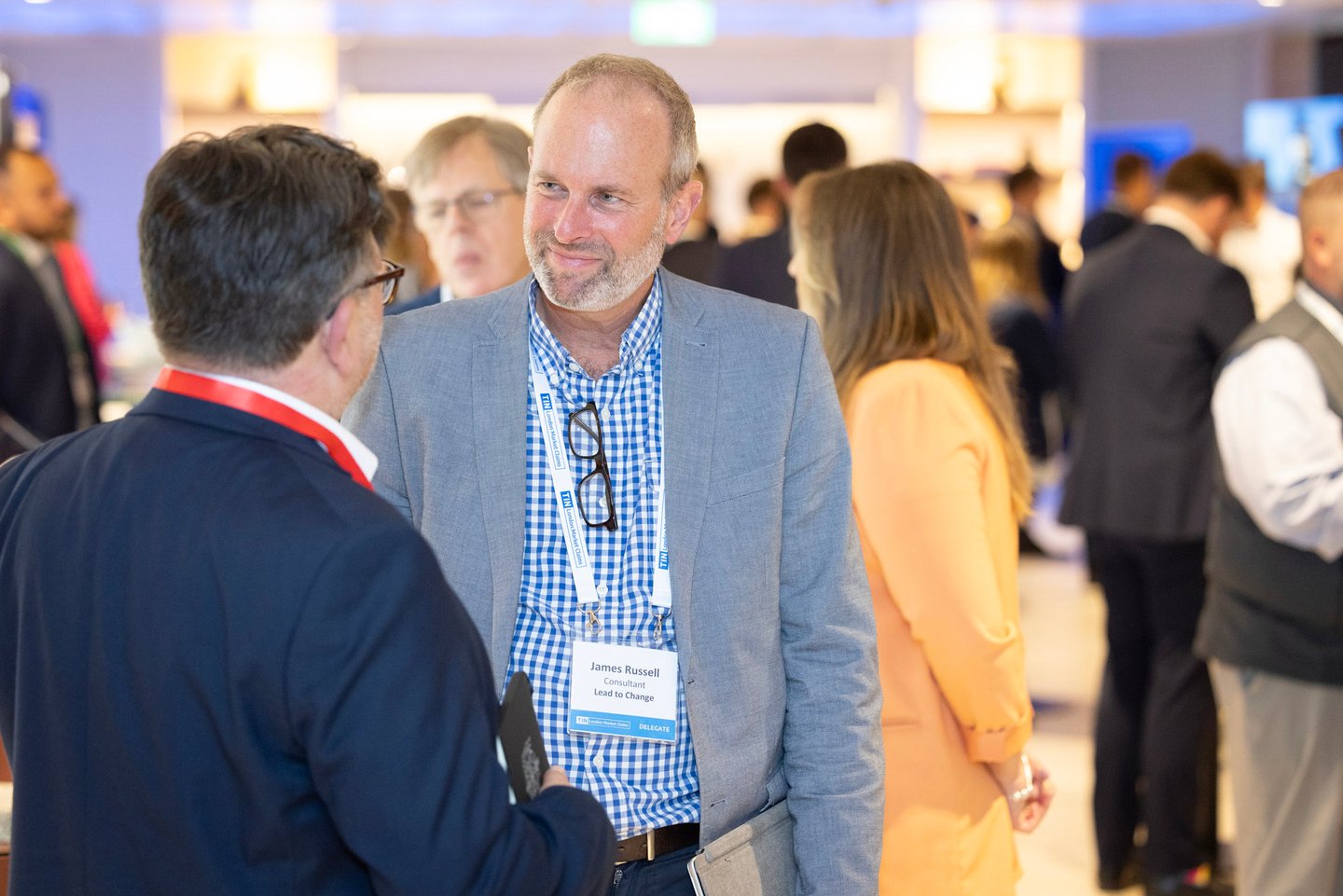
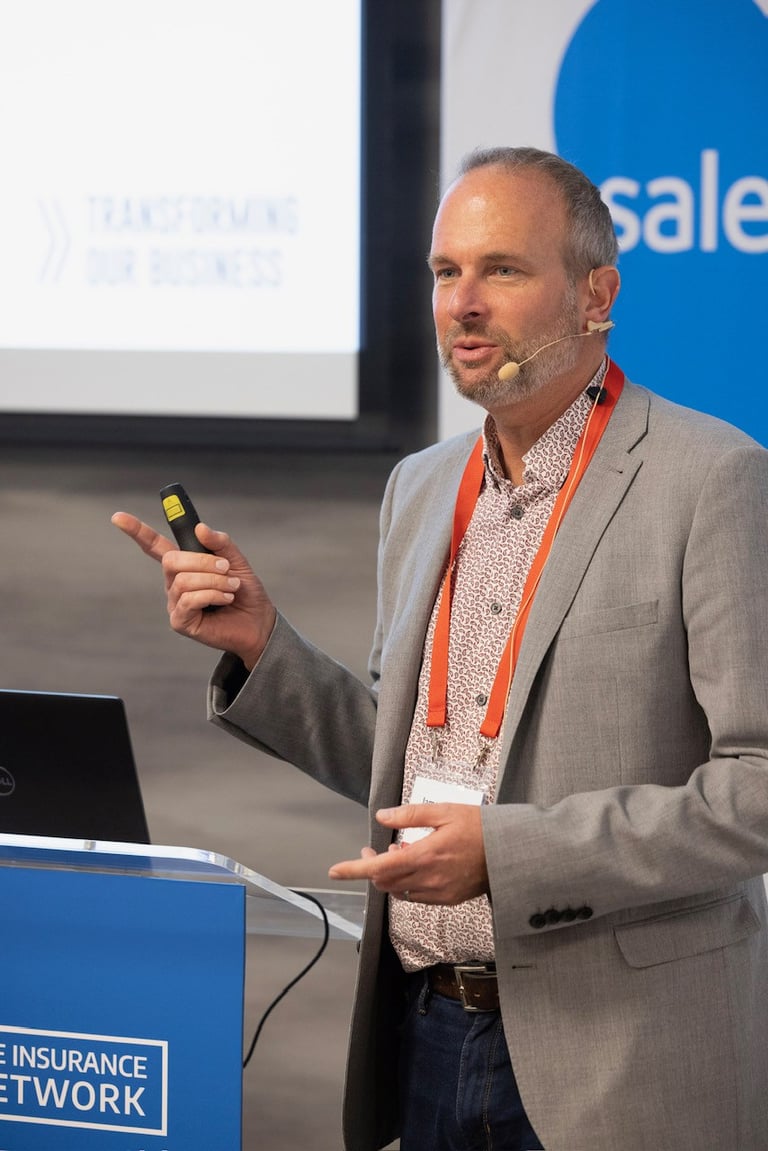
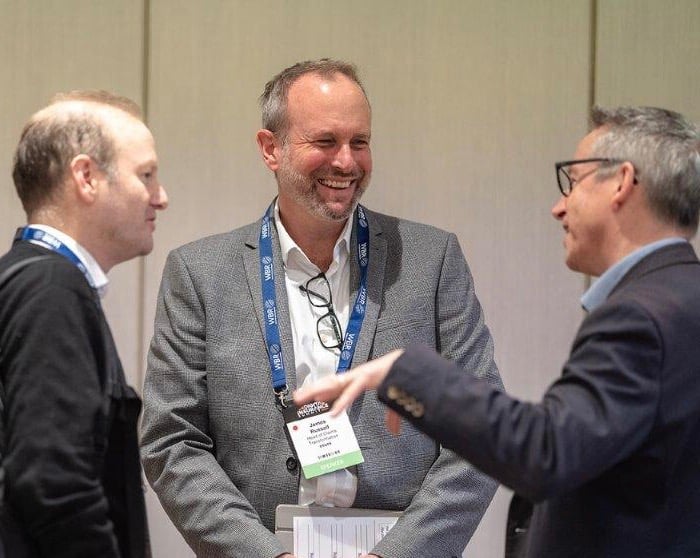
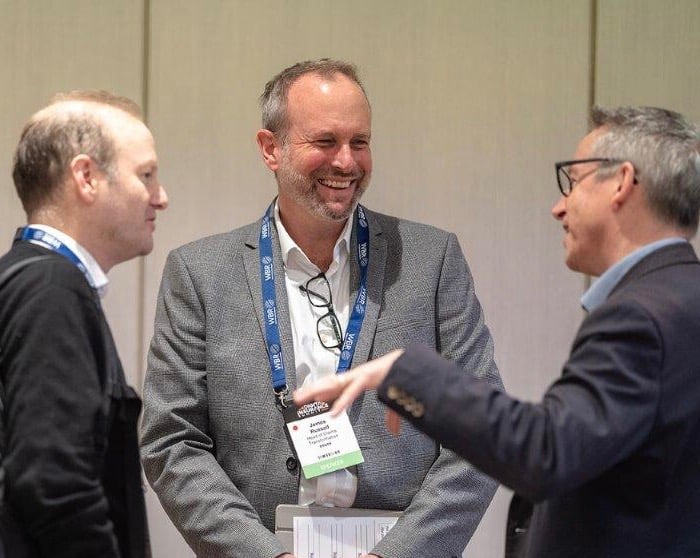
I’m James Russell, an executive coach, organisational change adviser and speaker with over 20 years’ experience leading and supporting complex change.
My background spans small business transformation, large corporate technology‑enabled change, leadership development and coaching. I’ve worked inside organisations and alongside them which means I understand both the pressure to deliver and the human reality of doing so.
My role is not to tell leaders what to do but to help them see what’s happening clearly, and respond with confidence, responsibility and humanity.
Start with a conversation
If you’re navigating change and want space to think, without judgement, hype or pressure we can start with a conversation.